
Allahabadi family crest — Honour, Loyalty, Legacy
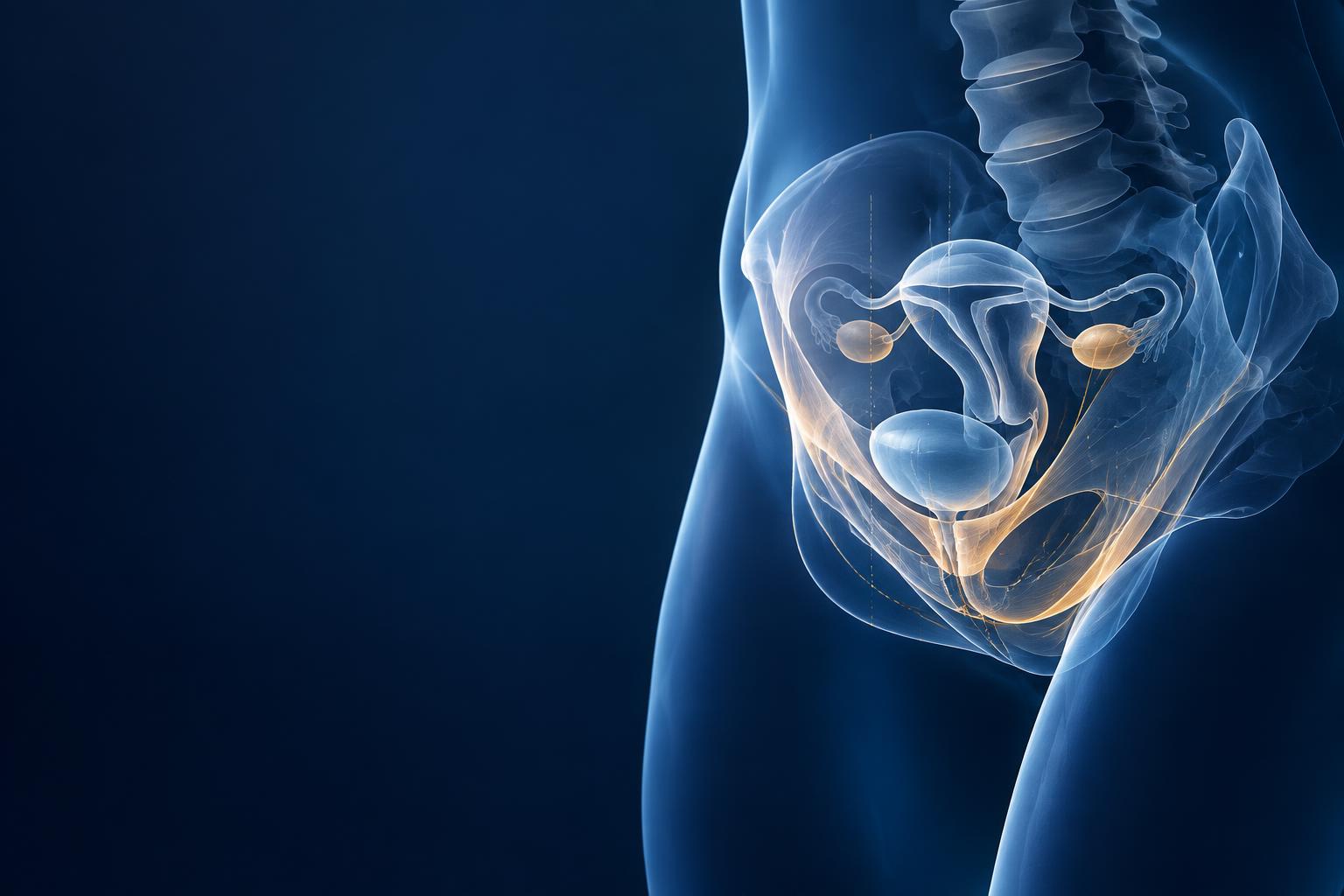
Clinical illustration of female pelvic anatomy for reconstructive surgery planning

Special Procedures

Complex pelvic care, planned with precision and dignity

Specialist evaluation for MRKH and neovagina formation, and reconstructive treatment for vaginal vault prolapse — with private, individualised decision-making at every step.

Confidential care
Imaging-led planning
Shared decisions
Structured follow-up

Two specialist pathways

Rare and complex conditions deserve an unhurried plan

The right procedure is not chosen from a label alone. Symptoms, anatomy, previous treatment, future goals and personal preferences all shape the recommendation.

01

Rare congenital condition

MRKH syndrome & neovagina formation

MRKH (Mayer–Rokitansky–Küster–Hauser) syndrome affects development of the uterus and upper vagina. Care is private, unhurried and centred on the person's goals, anatomy and readiness for treatment.

What the care plan considers

  • Careful review of MRI or ultrasound findings and any associated kidney or skeletal differences
  • Clear discussion of non-surgical vaginal dilation, which is often considered first when appropriate
  • Individualised neovagina planning when surgery is preferred or clinically suitable
  • Long-term support for healing, vaginal function and emotional wellbeing
1

Confirm anatomy

2

Discuss every option

3

Shared treatment decision

4

Structured follow-up

02

Pelvic reconstructive surgery

Vaginal vault prolapse repair

Vault prolapse can occur when the top of the vagina loses support after hysterectomy. Treatment is selected around symptoms, previous surgery, general health and the wish to preserve vaginal function.

What the care plan considers

  • Assessment of pressure, bulge, bladder, bowel and sexual-function symptoms
  • Review of previous operations and examination of every pelvic compartment
  • Discussion of conservative care and reconstructive surgical options
  • Minimally invasive or robotic repair considered when it offers a meaningful advantage
1

Pelvic assessment

2

Review prior surgery

3

Choose repair route

4

Recovery plan

Understand before you consult

Turn your worries into clear questions for your consultation

Describe what is on your mind about MRKH, neovagina formation or vault prolapse. You will receive plain-language explanations and a list of questions to ask in clinic. This is general education only — never a diagnosis, and never a treatment recommendation.

Please do not include personal identifiers. Reports and scans should be shared privately through the patient portal, not here.

Not medical advice and not an emergency service. For anything urgent, please call the clinic.

Your explanations will appear here

You will get a short summary, plain-language explanations, questions to ask in clinic, and what to prepare before your visit.

Questions, answered carefully

Before you decide

A consultation is intended to clarify choices, not rush a decision. These answers are general information; recommendations require a personal assessment.

Does every person with MRKH need surgery?+

No. Treatment is personal, and some people do not seek intervention. When vaginal length is a concern, supervised dilation is commonly discussed before surgery. A consultation should explain the benefits, limitations and demands of each option without pressure.

What does neovagina formation involve?+

It creates a functional vaginal canal using a technique selected for the individual's anatomy and goals. The operation, recovery and need for postoperative dilation vary by technique, so the plan is made only after imaging, examination and a detailed discussion.

Can vault prolapse be repaired robotically?+

Some patients may be suitable for a minimally invasive robotic suspension procedure, while others are better served by a vaginal repair or non-surgical care. Previous surgery, prolapse pattern and overall health determine the safest route.

Will the consultation be confidential?+

Yes. These are sensitive conditions. Consultations and submitted records are handled privately, and a family member or trusted person can be included only if the patient wishes.

Private consultation

Bring your reports, imaging and questions. Leave with a clear plan.

Book consultation

Book Appointment

Bring your reports. Leave with a plan.

Consultations are 45 minutes. Second opinions on existing reports are welcome, in person or by teleconsultation.

Availability

Mon

10:00 – 14:00

Tue

10:00 – 13:00

Wed

Operating day

Thu

10:00 – 14:00

Fri

10:00 – 13:00

Sat

10:00 – 12:00

Request a consultation

Please do not include diagnosis, reports or treatment history in this form or on WhatsApp. These are discussed by phone or in consultation.